
One Thing You Can't Do in HeavenOne Thing You Can't Do in Heaven
作者:Mark Cahill。本书列入「认识神与属灵成长」阅读方向。请打开书目来源查看版本与介绍,并结合下方经文作主题阅读。
English
A catalogued book credited to Mark Cahill. Listed under Knowing God & spiritual formation. Open the catalog source for edition details; the Scripture prompts are thematic reading companions.
分享此页Share this page
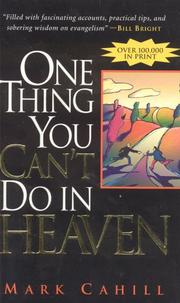
作品与来源Work & source
作者 / 创作者 · Author / creator: Mark Cahill
资料核实 · Source checked:
出版社原始页面 · Publisher source ↗这里介绍作品与学习方向;作品观点、平台解读和圣经经文分别呈现。This page introduces a work and learning directions. The work's views, platform interpretation, and Scripture remain distinct.
阅读与经文讨论Reading & Scripture discussion
认识神与属灵成长Knowing God & spiritual formation
认识神不只是积累知识,也关乎关系与回应。Knowing God involves relationship and response, not only accumulated knowledge.
阅读经文语境 · Read in context: John 17:3 →把关于神的印象带回耶稣的启示中核对。Examine impressions of God in light of Jesus’ revelation.
阅读经文语境 · Read in context: John 14:9 →恩典先于表现,不把操练变成赚取接纳的交易。Grace precedes performance; practices are not a transaction to earn acceptance.
阅读经文语境 · Read in context: Ephesians 2:8-10 →成长需要更新思维,而不仅改变外在形象。Growth involves renewed thinking, not merely an improved outward image.
阅读经文语境 · Read in context: Romans 12:2 →观察品格的果子,不只追求强烈的宗教体验。Notice the fruit of character rather than only intense religious experiences.
阅读经文语境 · Read in context: Galatians 5:22-23 →谦卑承认软弱,而不是塑造完美人设。Humility acknowledges weakness instead of constructing a perfect persona.
阅读经文语境 · Read in context: James 4:6 →安静和独处应帮助人归向神,而非逃避责任。Silence and solitude should turn us toward God, not away from responsibilities.
阅读经文语境 · Read in context: Luke 5:16 →爱神与爱邻舍不能彼此分离。Love of God and love of neighbor belong together.
阅读经文语境 · Read in context: Matthew 22:37-40 →成长需要群体中的鼓励和诚实陪伴。Growth needs encouragement and honest companionship in community.
阅读经文语境 · Read in context: Hebrews 10:24-25 →以持续跟随为目标,而非比较谁更属灵。Aim for sustained discipleship rather than comparing spiritual status.
阅读经文语境 · Read in context: John 15:4-5 →
反思问题Reflection question
阅读本书时,哪些观点值得结合经文上下文进一步讨论?Which ideas deserve further discussion alongside Scripture in context?